The Art of Clothing Craftsmanship: Behind the Making of RYOW A great piece of clothing doesn’t begin when you put it on. It begins much earlier — with an idea, a fabric, a pattern, careful cutting, precise stitching, and countless small decisions that eventually become a finished garment. In today’s fashion industry, we often see the final product without thinking about everything that happens behind it. But understanding the clothing manufacturing process gives us a different appreciation for what we wear. At RYOW, we believe clothing should be more than something that simply looks good. The details, construction and finishing are what give a garment its character. So, what actually happens behind the making of a garment? Let’s take a look. 1. It Starts With an Idea OF PROCESS Every garment starts with a concept. Before fabric reaches a cutting table or a sewing machine, designers think about the silhouette, proportions, materials, colours and overall identity of the piece. For a brand like RYOW, this stage is about translating an idea into something physical. A sketch eventually needs to become a real garment — something that can be worn, moved in and experienced. That’s where craftsmanship begins. 2. Choosing the Right Fabric in process Fabric is one of the most important parts of the clothing manufacturing process. The same design can feel completely different depending on the material used. Manufacturers and designers consider factors such as: For example, a structured streetwear piece may require a fabric with more body, while a relaxed garment may benefit from a softer and more fluid material. The fabric isn’t simply a surface for a design. It becomes part of the design itself. 3. Pattern Making: Turning an Idea Into Structure Once the design and fabric direction are established, the garment needs a pattern. A pattern is essentially the blueprint of a garment. It determines how individual fabric pieces will be shaped and eventually assembled. Small changes in a pattern can significantly affect the final fit — from the width of the shoulders to the length of a sleeve or the overall silhouette. This is one of the less visible but incredibly important stages of garment manufacturing. The finished piece may look simple. The pattern behind it often isn’t. 4. Fabric Cutting After the pattern is prepared, the fabric is carefully marked and cut into individual pieces. This stage requires precision because mistakes can affect the entire garment. The goal is to use the fabric efficiently while maintaining the correct shape and direction of every piece. Depending on the garment and manufacturing setup, cutting can involve manual techniques, specialised equipment or automated cutting systems. Once the pieces are cut, they’re ready to become one garment. 5. Stitching: Where the Garment Comes Together This is where separate pieces of fabric begin to take the form of clothing. Different parts — such as the body, sleeves, collars, cuffs and other components — are carefully stitched together. The type of stitch, seam construction and thread selection can all influence the appearance and durability of the finished garment. And sometimes, the smallest details matter the most. A clean seam. A properly finished edge. A carefully attached label. A precise stitch. These details may not immediately catch your attention, but together they contribute to the quality of the final piece. 6. The RYOW Label The image above represents one of those small details. A RYOW label is being carefully attached to the garment by hand. A label might seem like a simple branding element, but its placement and attachment are part of the garment’s finishing process. It is a small reminder that clothing isn’t created by an idea alone. It is created through hundreds of individual details coming together. 7. Finishing the Garment After the major construction is complete, garments go through finishing processes. Depending on the garment, this can include: This stage is about making sure the garment looks and feels finished rather than simply assembled. 8. Quality Control Quality control is an important part of clothing manufacturing. A garment can look great in a photograph but still have problems that aren’t immediately visible. Manufacturers may inspect areas such as: StitchingAre the seams properly constructed? MeasurementsDoes the garment match the intended size specifications? FabricAre there visible defects or inconsistencies? FinishingAre loose threads or unfinished areas present? DetailsAre labels, prints, buttons, zippers or other elements correctly positioned? Quality control helps identify these issues before the garment reaches the customer. Why Craftsmanship Still Matters Fashion has become faster than ever. Trends appear, disappear and return within months. But craftsmanship remains important because clothing is ultimately a physical product. You don’t just see it. You wear it. You move in it. You wash it. You live in it. That’s why the manufacturing process matters. From the first idea to the final stitch, every stage contributes to how a garment looks, feels and performs. Behind Every RYOW Garment At RYOW, the final garment is only the visible part of the story. Behind it is a process involving design, materials, patterns, cutting, stitching and finishing. The goal isn’t simply to put a logo on fabric. It’s to create a garment where the design and construction work together. Because when you understand the work behind clothing, you start looking at your wardrobe differently. You notice the stitching. You notice the fabric. You notice the fit. You notice the details. And suddenly, a simple garment becomes something more. It’s the result of craftsmanship. From Fabric to Finished Piece The next time you put on your favourite piece of clothing, take a second to look closer. Think about the journey: IDEA → FABRIC → PATTERN → CUTTING → STITCHING → FINISHING → QUALITY CHECK → FINISHED GARMENT That’s the clothing manufacturing process. And somewhere between the first piece of fabric and the final stitch is where craftsmanship turns an idea into something you can actually wear. RYOW — Made with intention.
RYOW
LOT 01 — ARRIVALS
00IN BAG
Nothing herewas madethis season.
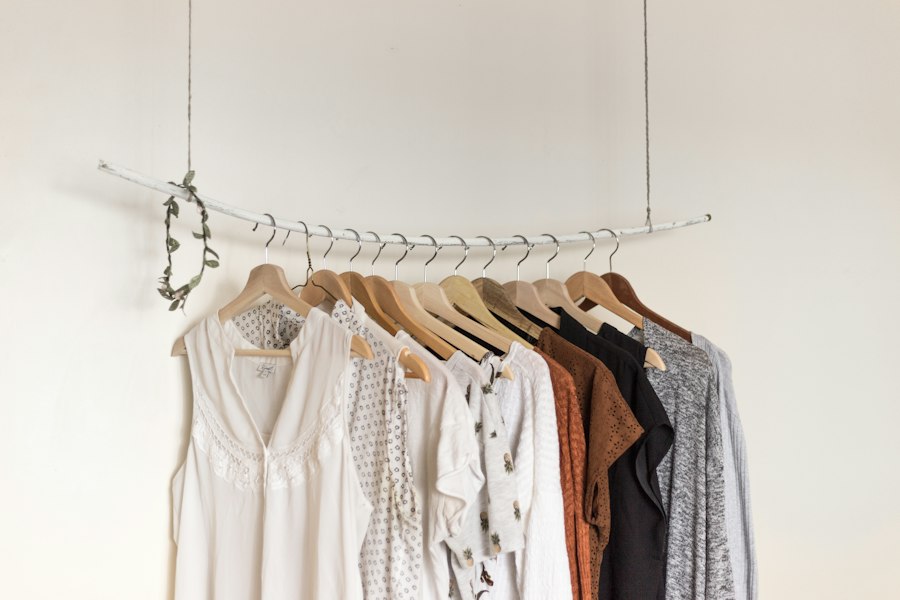
Every piece in the current lot has already lived a life. We re-tag it, re-price it, and hand it back into circulation — once.

LOT 09 now in the ledger
rewash, re-press, re-sell
one of each size, no reorders
LOT 09 now in the ledger
rewash, re-press, re-sell
one of each size, no reorders
We buy back the clothes that were built to outlast their first owner, and put a number on what they're worth the second time around.
Every garment is inspected, priced by condition and not by hype, and entered into the ledger with a lot number that stays with it until someone takes it home. No two racks are the same twice.
The current lot, worn
Drag through. Nine looks, shot the week the stock came in — before anything was priced.
Look 01Overcoat, wool
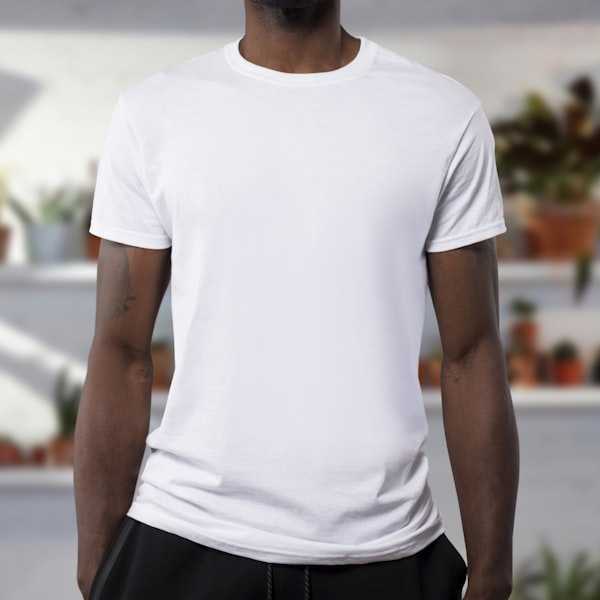
Look 02Trucker, raw
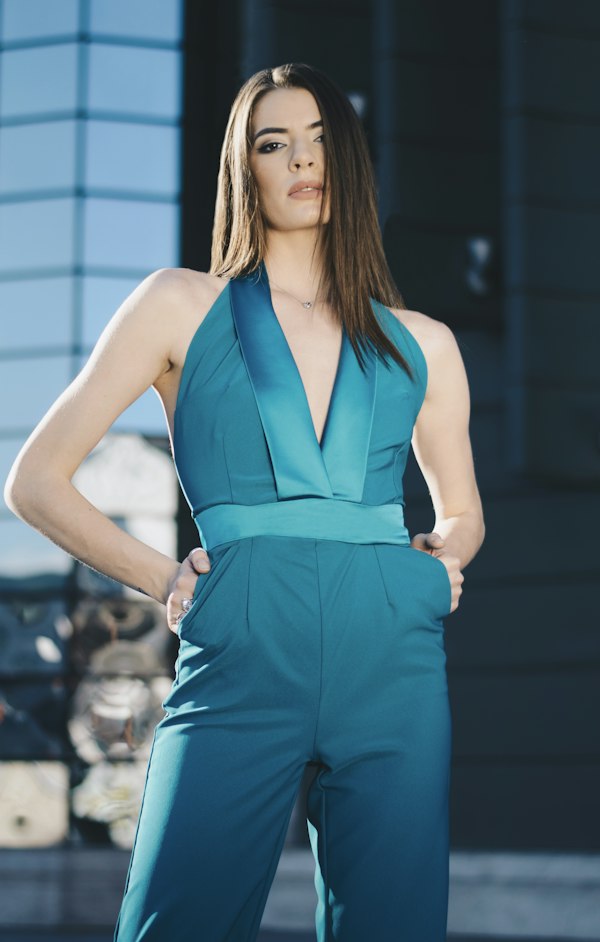
Look 03Cable knit

Look 04Pleated trouser

Look 05Moto, leather
The ledger
Stock counts are real — once a size is gone from the row, it's gone.
017
 Grey wool overcoatSize M · condition: excellent
₹3,200
022
 Raw denim truckerSize S · condition: good, faded
₹1,450
031
 Cable knit sweaterSize L · condition: excellent
₹1,100
044
 Pleated wool trouserSize M · condition: very good
₹1,750
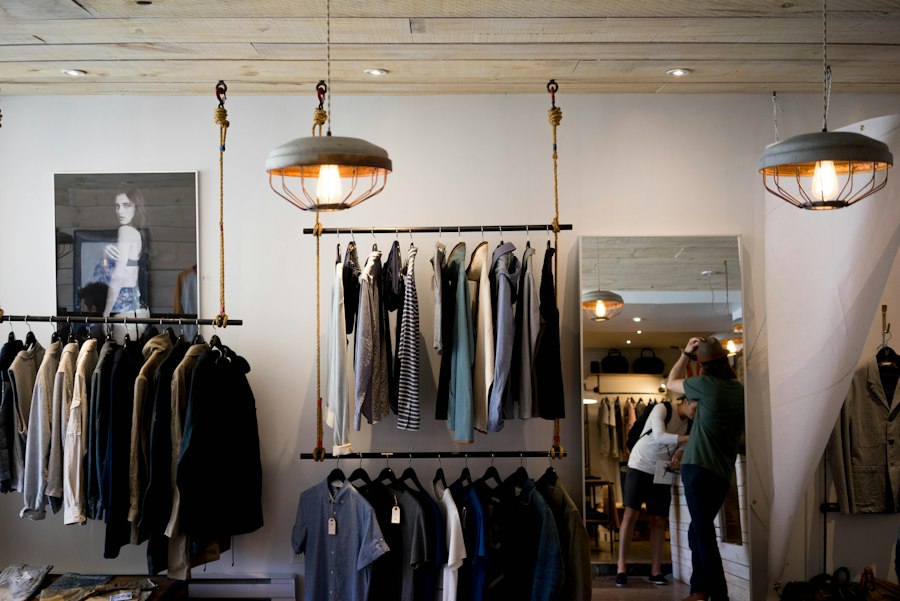
We started this as a sorting table, not a store.
RYOW began as three of us going through our own closets, then our friends' closets, trying to figure out what was actually worth keeping in circulation. The ledger system came later — we needed a way to track condition honestly, without dressing it up.
Now every intake gets a lot number, a condition note, and a price that reflects both — not a flat discount off some imagined retail tag. If a piece doesn't hold up, it doesn't make the ledger. That's the whole filter.
Get told when the ledger updates
New lots land roughly every three weeks, in small counts. We email once, when it's ready — not before.
One email per lot. No trend reports, no restock spam.